The Living Laboratory · 28°28′N 77°07′E
Farm8
A 2.5-acre regenerative farm in Aya Nagar, New Delhi — PHĪME's living laboratory, soil research station, and institutional ground zero.
— Where the system is being built
Not a farm that grows food. A farm that grows the science of food.
Farm8 is the physical site where PHĪME's soil-to-health hypothesis is observed in real time: the soil restored, the food grown, the bodies fed, the data collected. The institute begins here — in this ground.
Land area
Species cultivated
Soil restored
Synthetic inputs
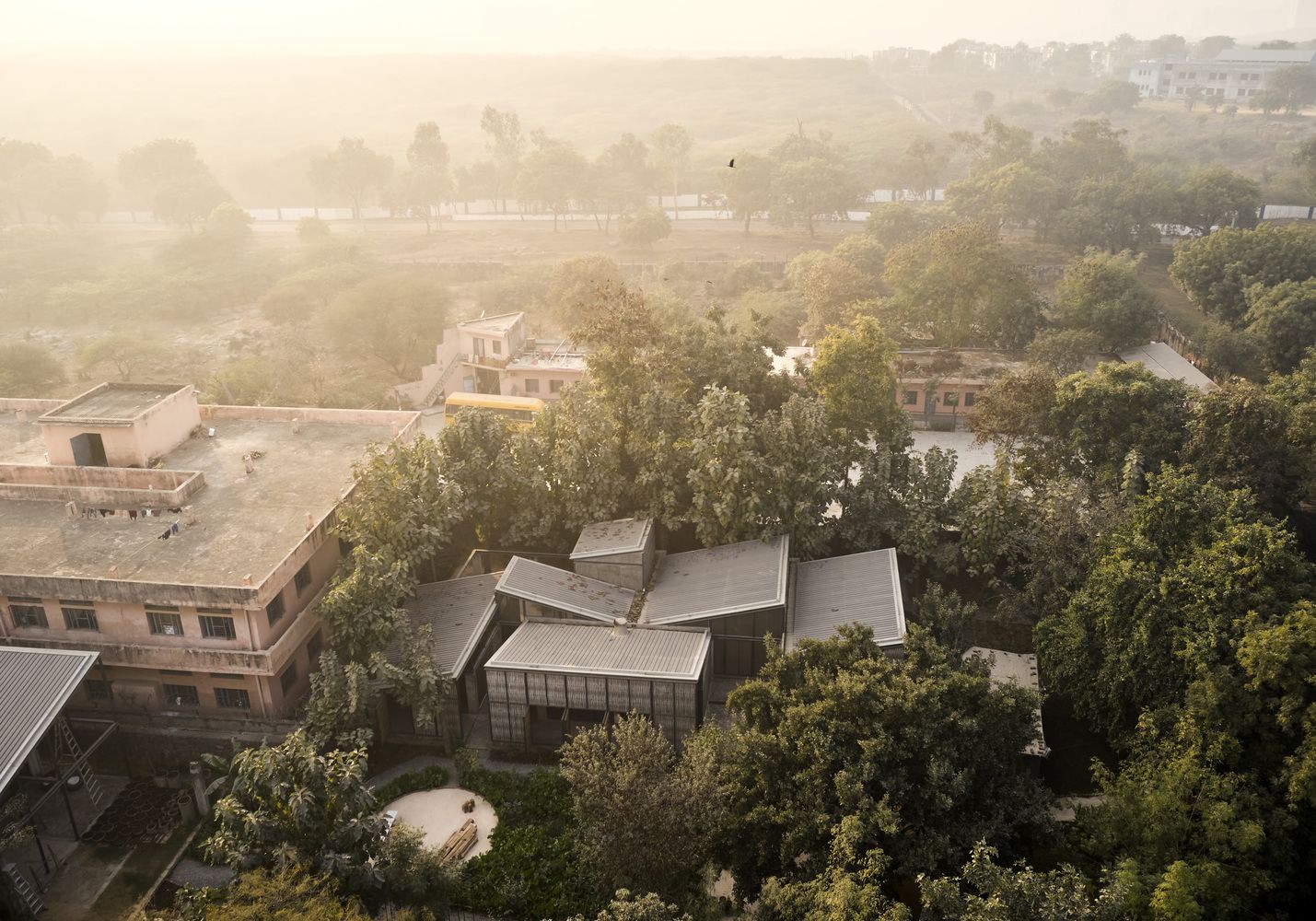
The land · before the institute · ©Edmund Sumner
What Farm8 does
Three functions, one ground.
01 — Soil Research Station
The first link of the chain — measured, not asserted.
Every plot at Farm8 is a longitudinal soil experiment: microbial diversity, organic carbon, mineral profile, water retention — recorded across seasons, across cycles, across years. The soil is not improved by ideology. It is improved, then measured, then improved again. This is where PHĪME's empirical case is built, one season at a time.
02 — Food Laboratory
Living food, from living soil — assayed for what conventional metrics miss.
What the soil produces is not measured by yield alone. Farm8 produce is profiled for nutritional density, polyphenol content, micronutrient spread — and traced back to the specific plot, the specific microbiome, the specific intervention that grew it. Soil-to-plate, with the numbers attached.
03 — Institutional Ground Zero
The site where doctors, farmers, and researchers share one ground.
Farm8 hosts the residencies, fellowships, and clinical programmes that make PHĪME's interdisciplinary architecture concrete. It is where the metabolic-medicine clinic meets the soil station, where the artist residency meets the longitudinal cohort, where the institute is not a building but a practice.
The site
Aya Nagar — the edge that holds the answer.
The southern ridge of Delhi sits on Aravalli foothills — pre-industrial soil, older than the Indus. Farm8 occupies a sliver of this geology. The ground itself is the asset: soil that remembers what soil is, before the chemical century arrived.
Twelve years of regenerative practice — no synthetic inputs, no tilling against the grain, no monocrops — has restored a microbial community on this land that no amount of intervention could fabricate elsewhere. The site is the experiment. The site is the proof.
Coordinates · 28.4733° N · 77.1231° E
The architecture
Studios, beds, kitchen, clinic — one continuous instrument.
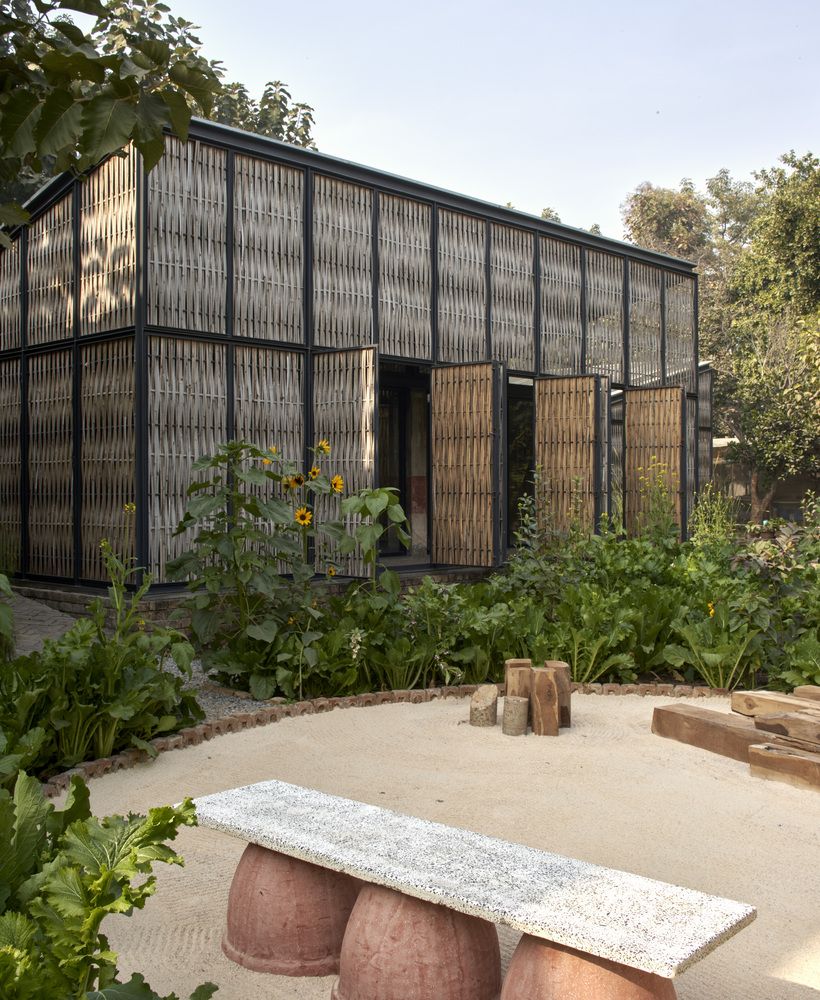
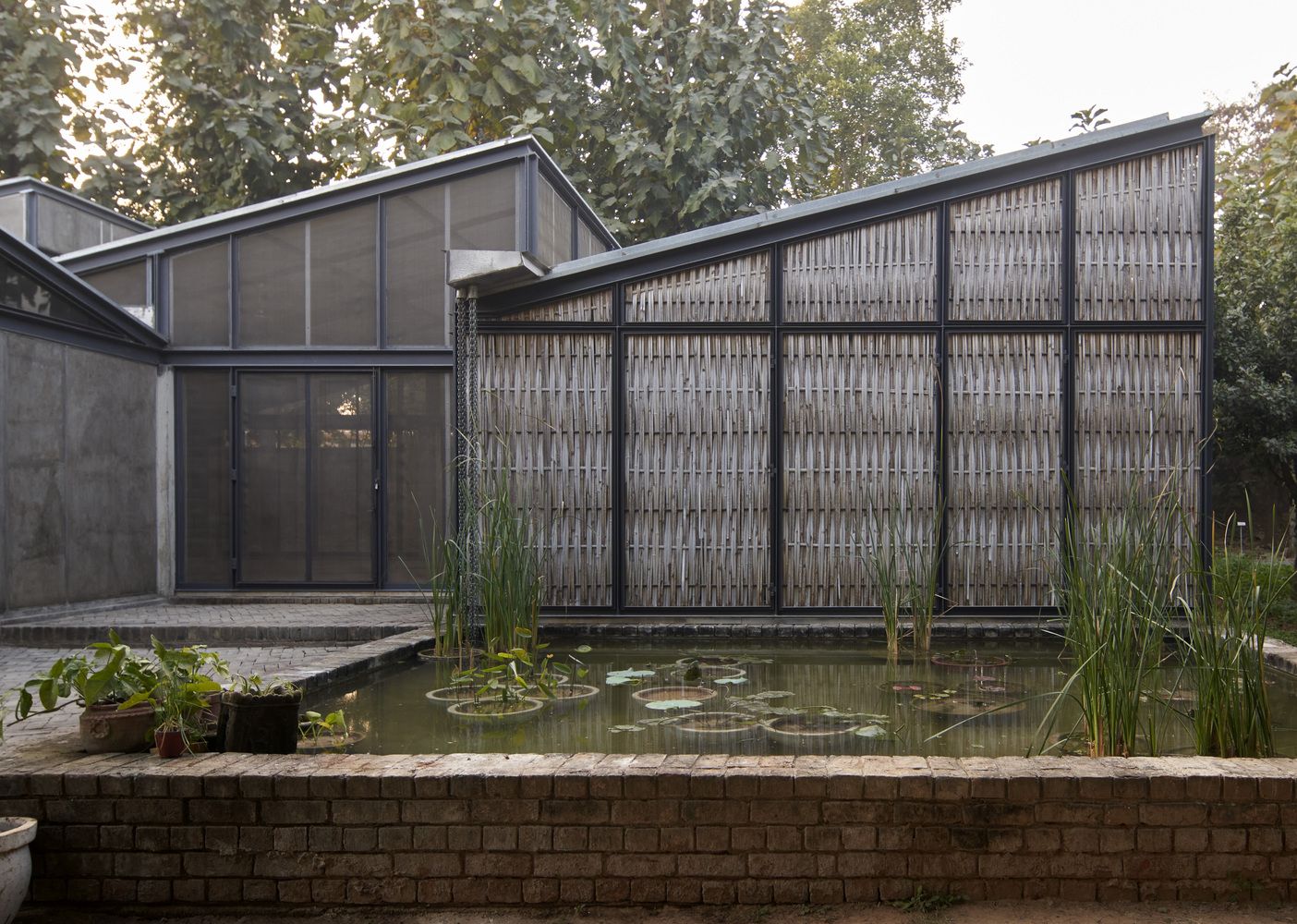
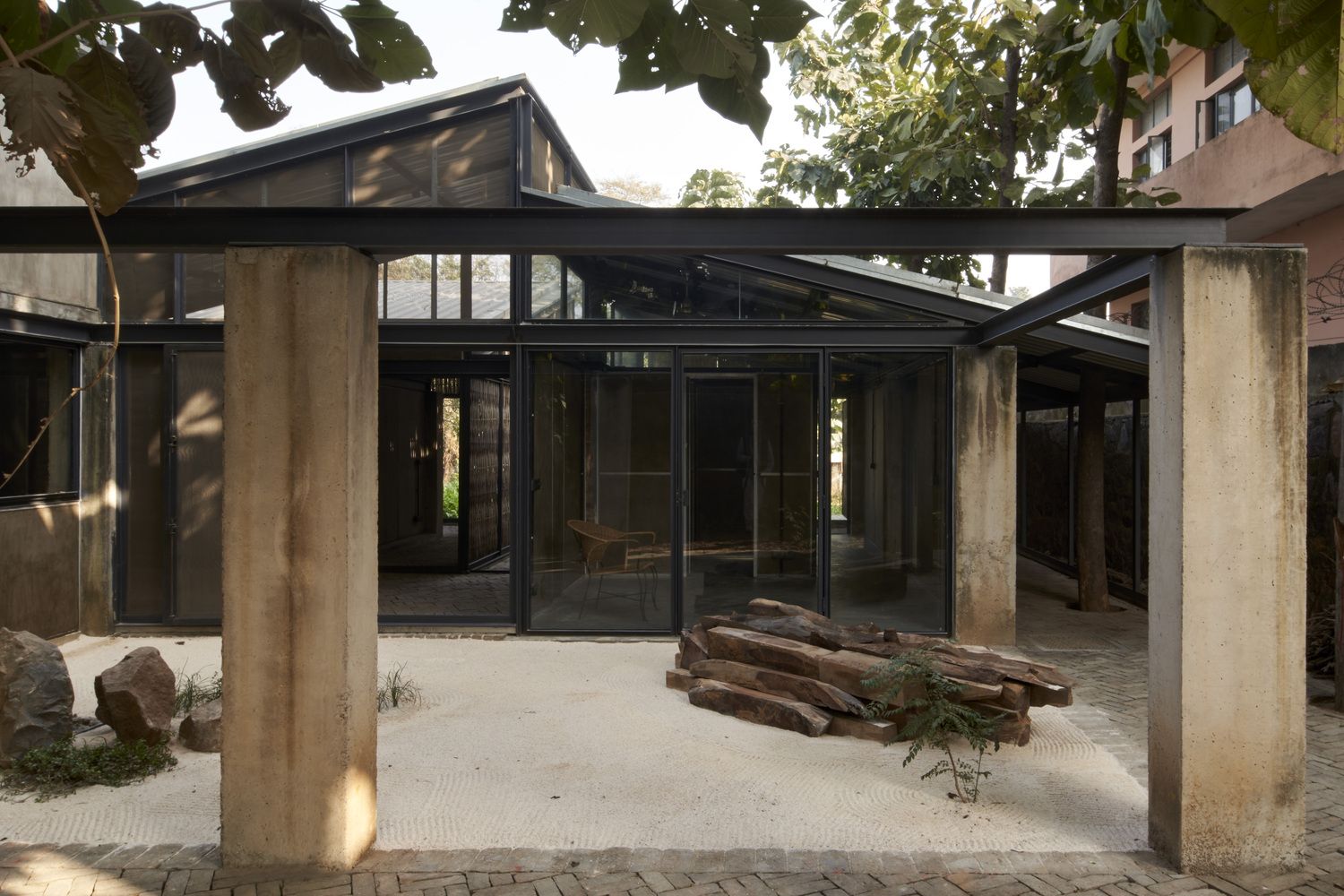
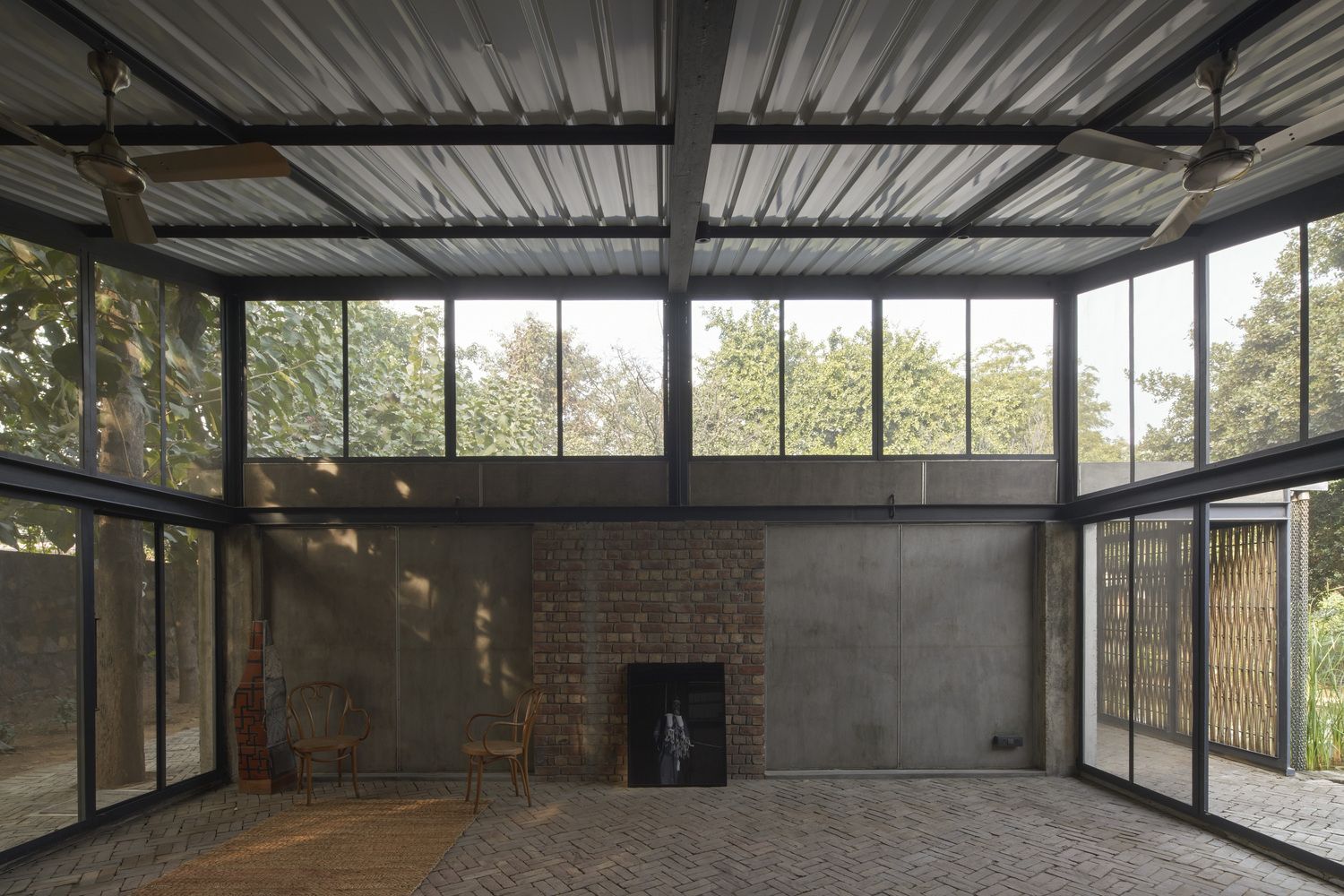
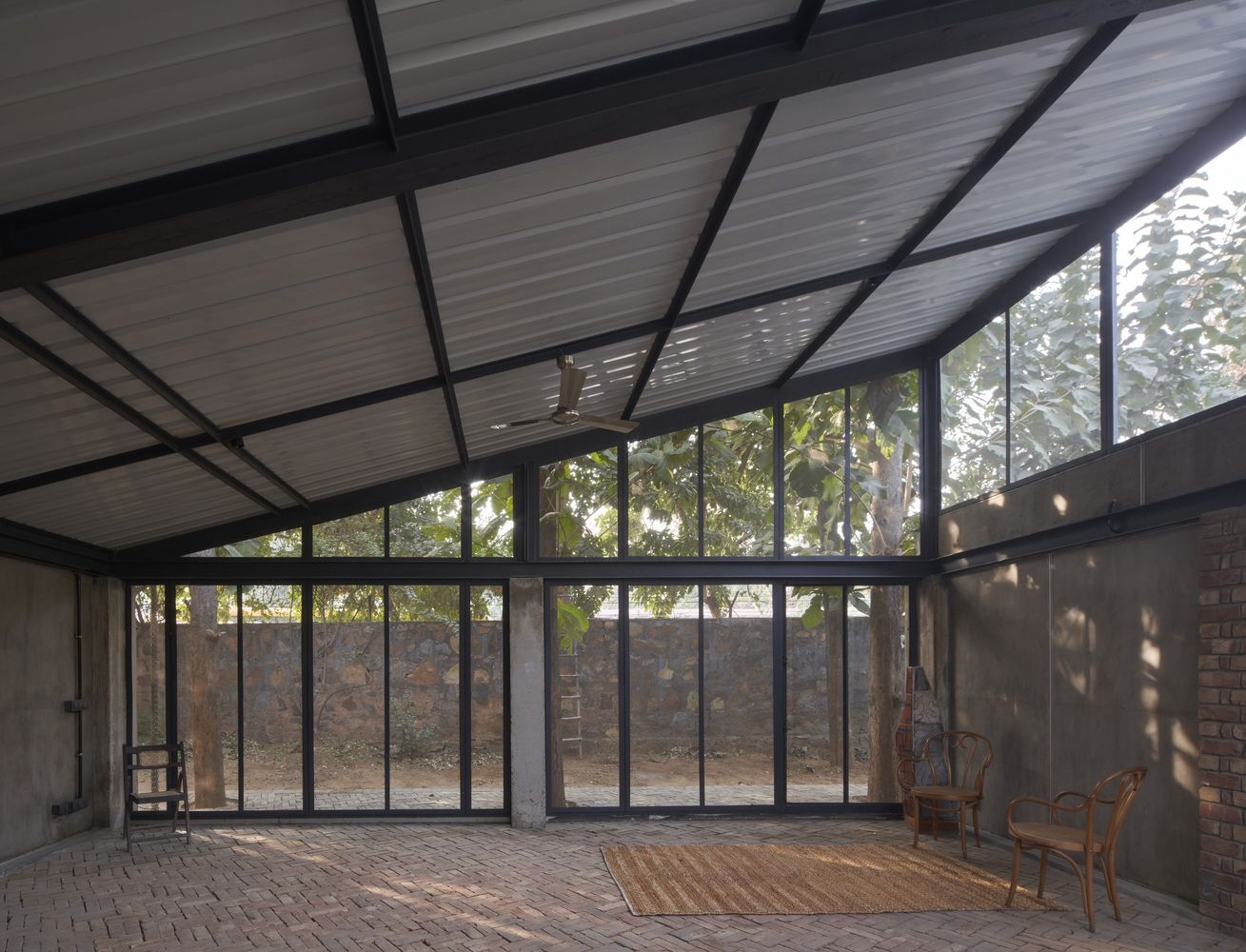
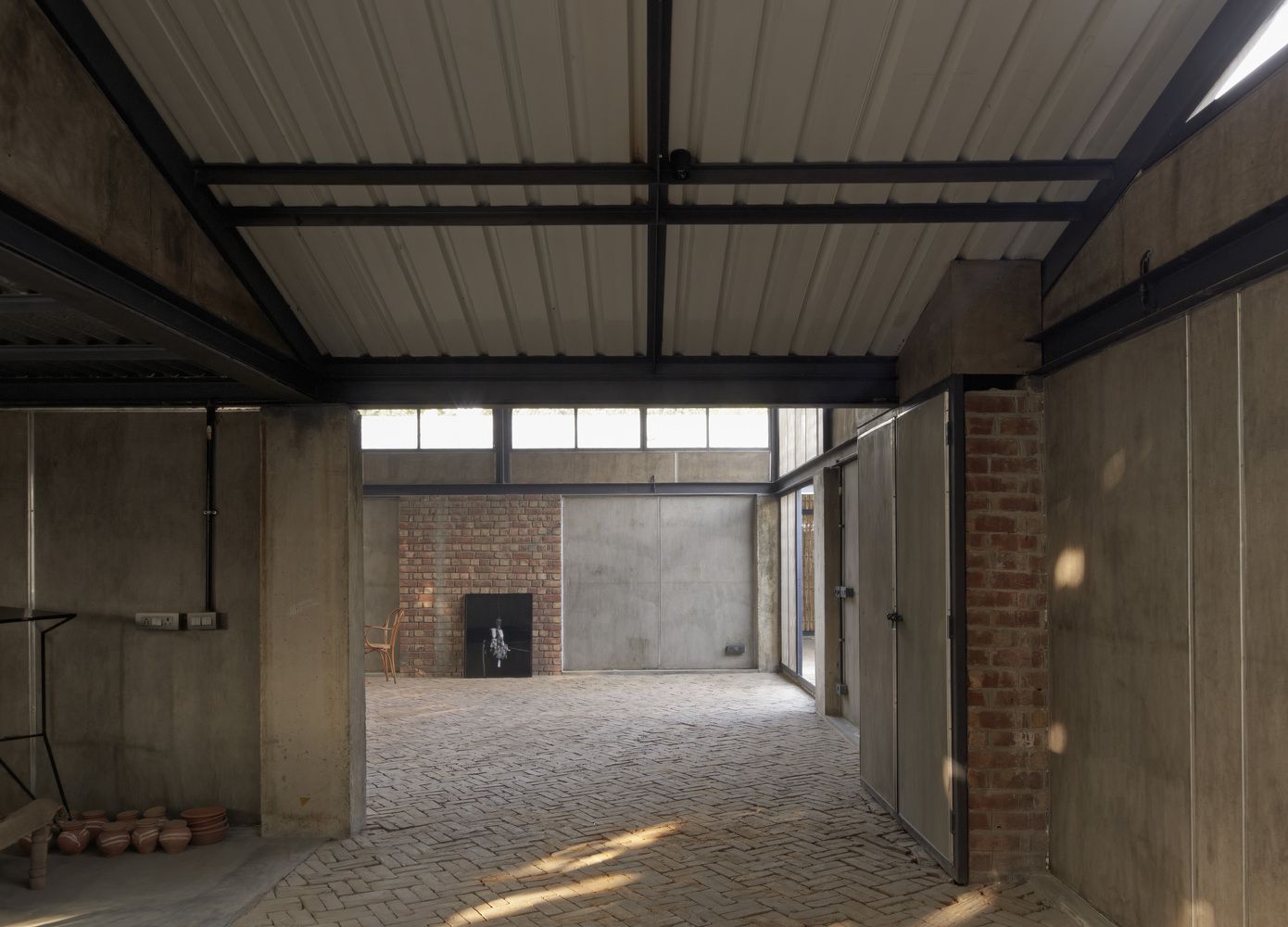
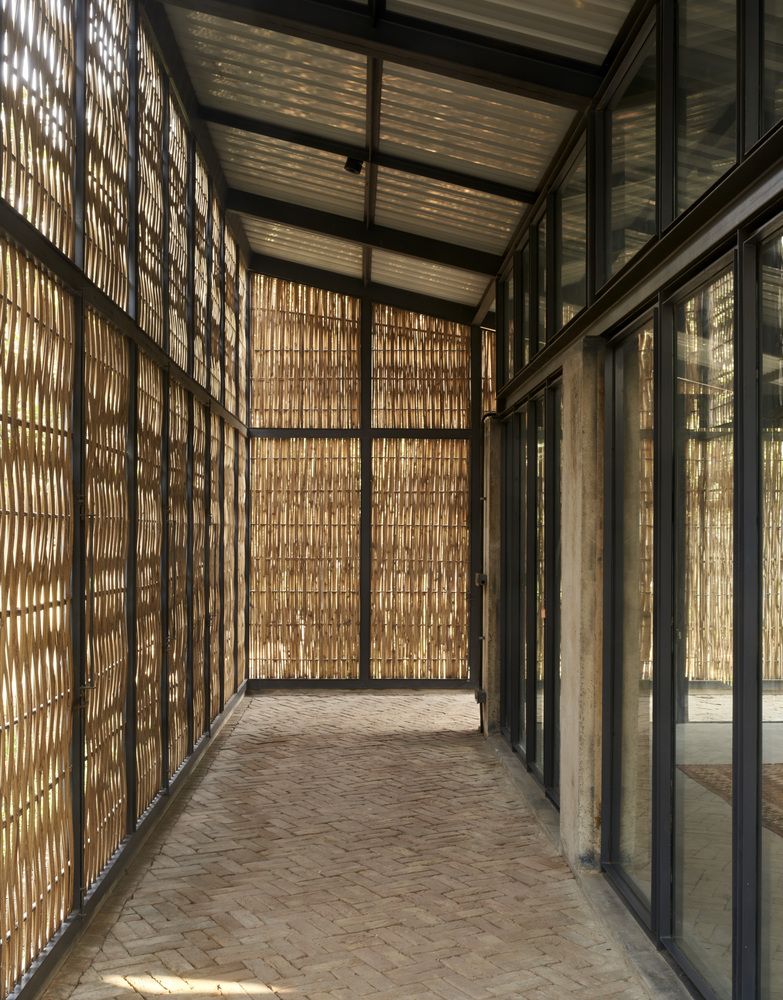
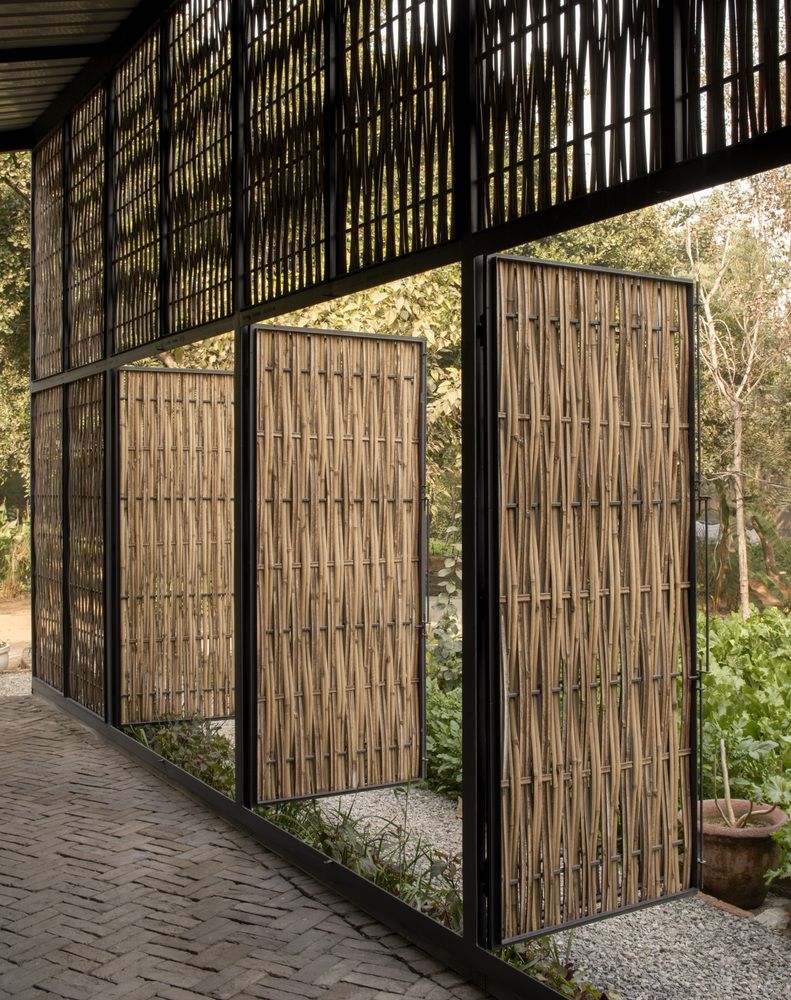
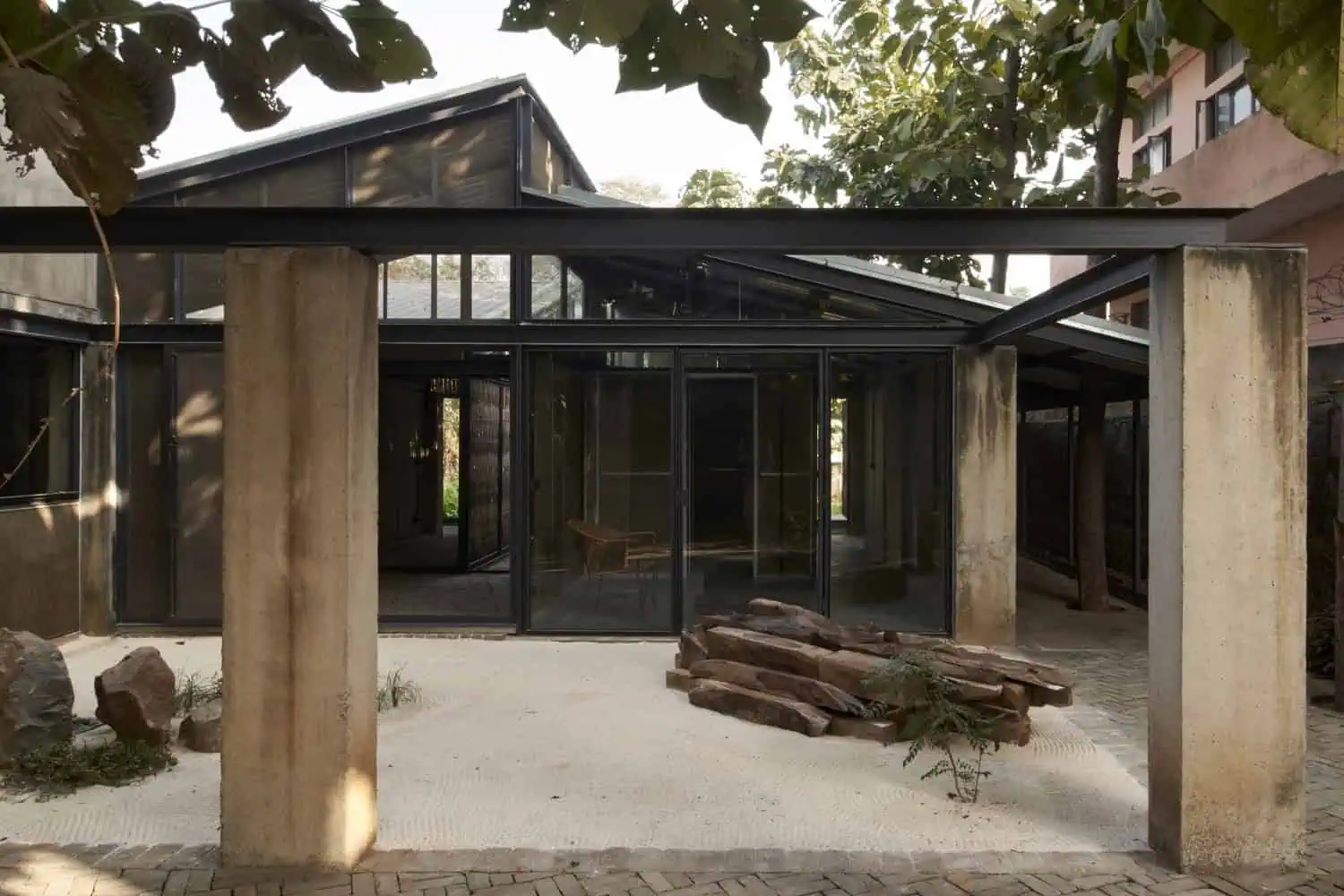
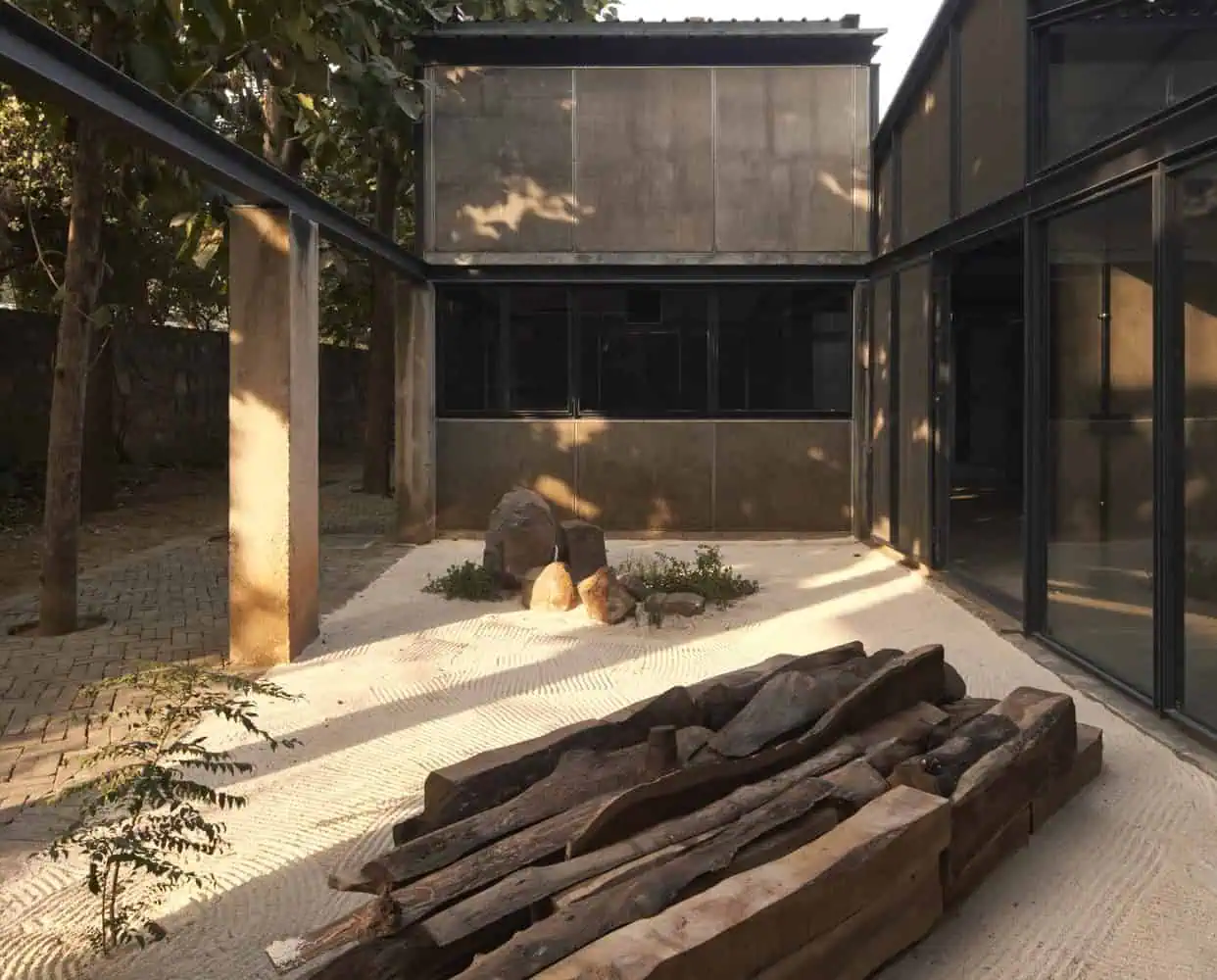
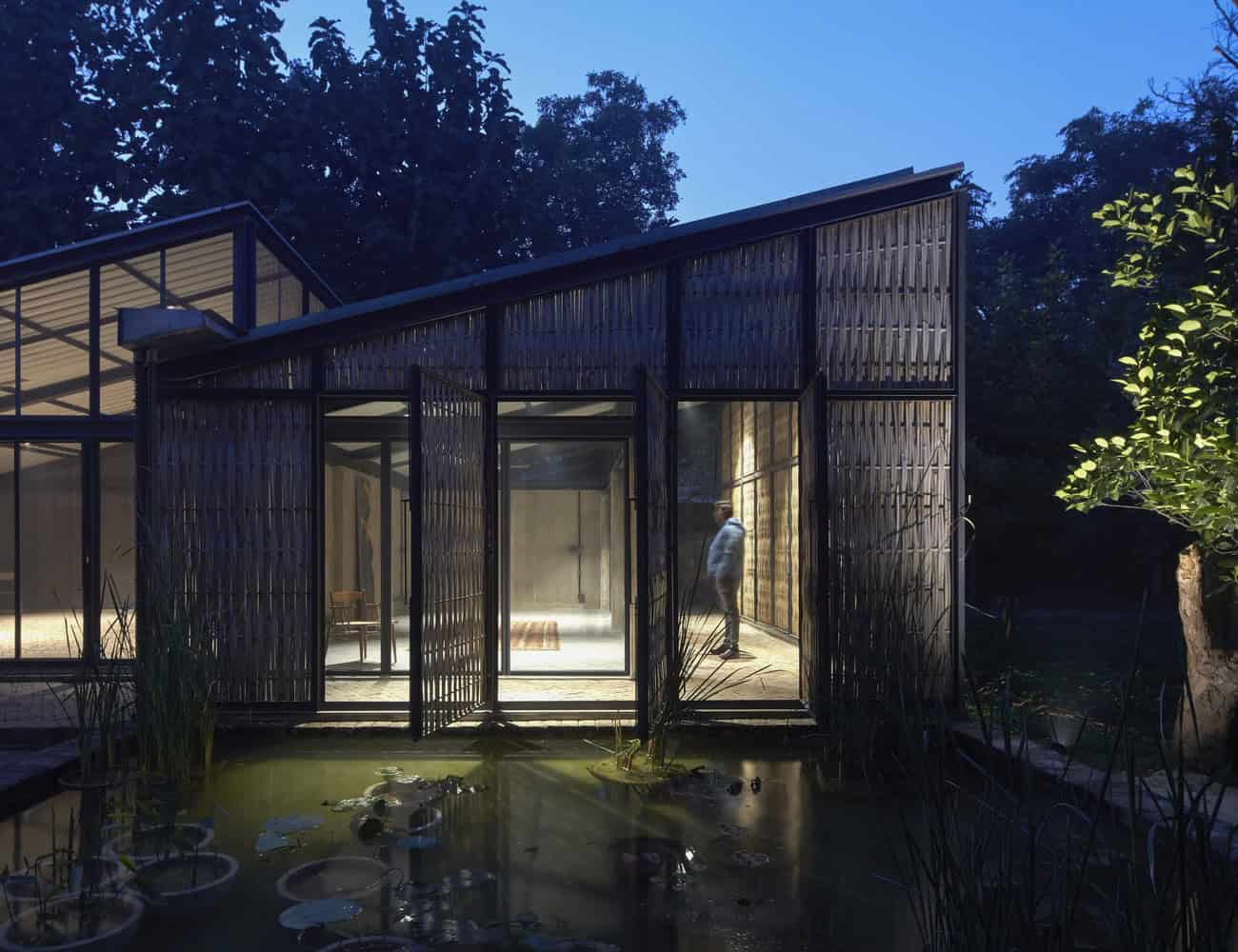
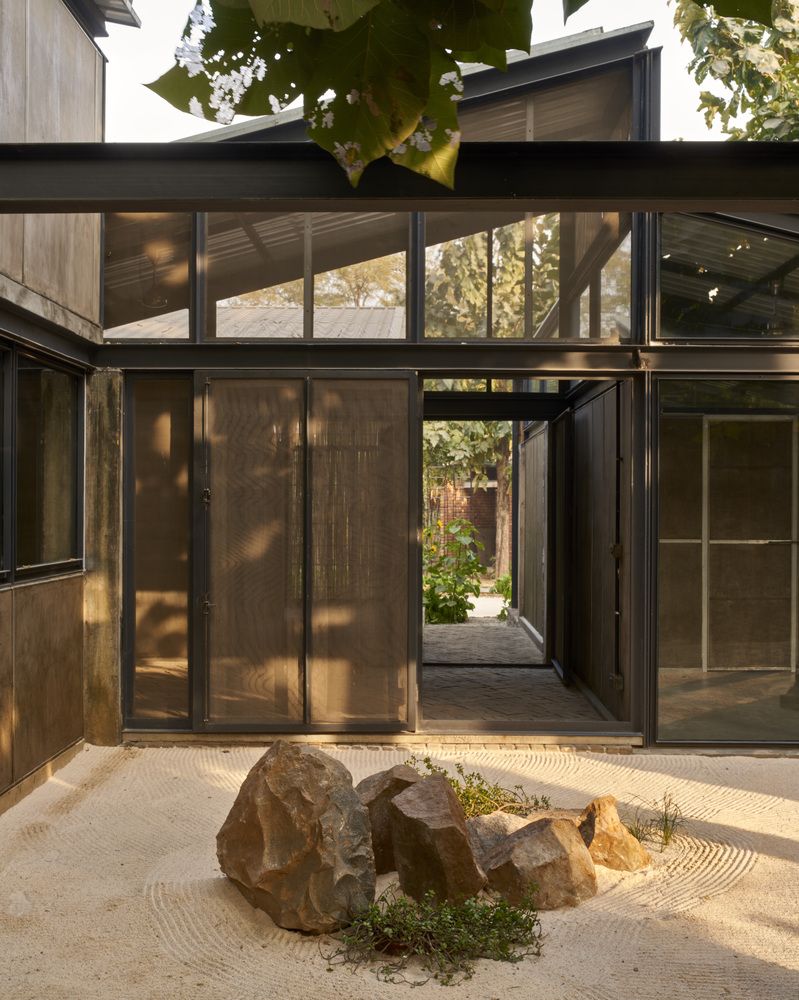
The studio buildings on the land — designed by Studio Array — are not separate from the soil work. They are the spaces where data is read, food is plated, residencies are housed, and the cross-disciplinary protocols of the institute are practised.
Architecture, agriculture, and clinical research share the same threshold here. The kitchen is downstream of the bed. The clinic is downstream of the kitchen. The data is downstream of all three. There are no walls between disciplines because there are no walls between systems.
Architecture · Studio Array · Photography · Edmund Sumner
.webp)
Multi-strata cultivation · 40+ species in continuous rotation
Custodianship
Rashmi Kaleka
Custodian · Artist · Twelve-year steward of the land
Farm8 exists because someone refused to treat this ground as real estate. The soil that PHĪME now studies was restored — quietly, without an institution behind it — by a single custodian's twelve-year practice of regenerative cultivation, archival listening, and refusal to extract.
The institute did not build the ground. The ground built the institute. PHĪME's claim that soil and human health are one system is not a hypothesis here — it is a daily practice that preceded the institute by more than a decade.
"You don't research soil. You live next to it long enough that it tells you what it knows."
— Farm8 · Aya Nagar
The institute does not sit above the ground.
It begins in it.
Farm8 is the proof of concept. PHĪME is the system that scales it.